

End of the world warning as humanity on the brink of 'mass extinction'- new timeline
The planet is facing a "ghastly time to come of mass extinction, declining health and climate-disruption upheavals" that threaten human survival because of ignorance and inaction, according to an international group of scientists, who warn people all the same oasis't grasped the urgency of the biodiversity and climate crises.
The 17 experts, including Prof Paul Ehrlich from Stanford University, author of The Population Bomb, and scientists from Mexico, Australia and the United states, say the planet is in a much worse country than most people – even scientists – understood.
"The calibration of the threats to the biosphere and all its lifeforms – including humanity – is in fact then great that it is difficult to grasp for fifty-fifty well-informed experts," they write in a report in Frontiers in Conservation Science which references more 150 studies detailing the globe's major ecology challenges.
The filibuster between destruction of the natural world and the impacts of these actions means people do not recognise how vast the trouble is, the paper argues. "[The] mainstream is having difficulty grasping the magnitude of this loss, despite the steady erosion of the textile of homo civilisation."
The report warns that climate-induced mass migrations, more than pandemics and conflicts over resource will be inevitable unless urgent action is taken.
"Ours is not a phone call to give up – we aim to provide leaders with a realistic 'cold shower' of the country of the planet that is essential for planning to avoid a ghastly hereafter," information technology adds.
Dealing with the enormity of the problem requires far-reaching changes to global capitalism, education and equality, the paper says. These include abolishing the idea of perpetual economic growth, properly pricing environmental externalities, stopping the use of fossil fuels, reining in corporate lobbying, and empowering women, the researchers debate.
The study comes months later the world failed to come across a single UN Aichi biodiversity target, created to stem the devastation of the natural earth, the second sequent time governments have failed to encounter their x-year biodiversity goals. This week a coalition of more 50 countries pledged to protect nigh a third of the planet by 2030.
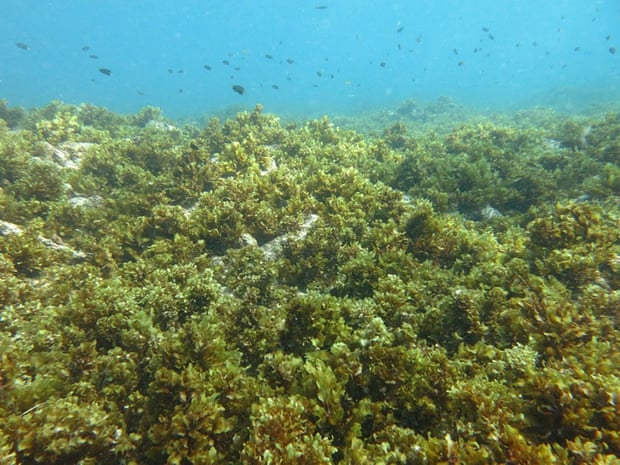
An estimated one one thousand thousand species are at risk of extinction, many within decades, co-ordinate to a recent UN report.
"Environmental deterioration is infinitely more threatening to civilisation than Trumpism or Covid-19," Ehrlich told the Guardian.
In The Population Flop, published in 1968, Ehrlich warned of imminent population explosion and hundreds of millions of people starving to decease. Although he has acknowledged some timings were wrong, he has said he stands by its key message that population growth and loftier levels of consumption by wealthy nations is driving destruction.
He told the Guardian: "Growthmania is the fatal affliction of civilization - it must be replaced by campaigns that make disinterestedness and well-being gild's goals - not consuming more junk."
Big populations and their continued growth drive soil degradation and biodiversity loss, the new paper warns. "More people means that more synthetic compounds and dangerous throwaway plastics are manufactured, many of which add together to the growing toxification of the World. It likewise increases the chances of pandemics that fuel ever-more desperate hunts for scarce resources."
The effects of the climate emergency are more evident than biodiversity loss, but still, society is failing to cut emissions, the paper argues. If people understood the magnitude of the crises, changes in politics and policies could match the gravity of the threat.
"Our main betoken is that once y'all realise the scale and imminence of the problem, information technology becomes clear that we need much more than individual actions like using less plastic, eating less meat, or flying less. Our indicate is that we need big systematic changes and fast," Professor Daniel Blumstein from the University of California Los Angeles, who helped write the paper, told the Guardian.
The newspaper cites a number of primal reports published in the past few years including:
-
The World Economic Forum report in 2020, which named biodiversity loss equally 1 of the top threats to the global economy.
-
The 2019 IPBES Global Assessment report which said seventy% of the planet had been altered past humans.
-
The 2020 WWF Living Planet report, which said the average population size of vertebrates had declined by 68% in the past five decades.
-
A 2018 Intergovernmental Panel on Climatic change written report which said that humanity had already exceeded global warming of 1C above pre-industrial levels and is prepare to attain one.5C warming betwixt 2030 and 2052.
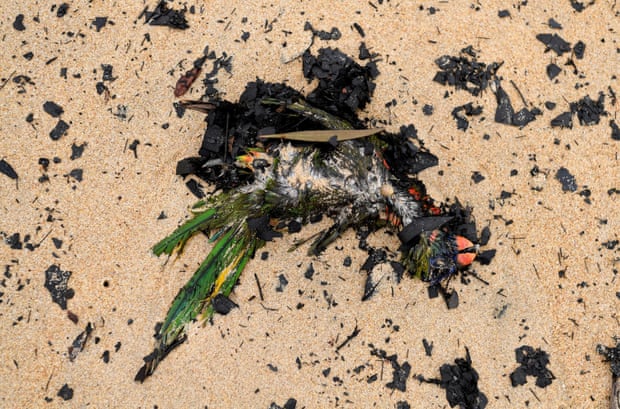
The study follows years of stark warnings about the country of the planet from the world'due south leading scientists, including a argument by 11,000 scientists in 2019 that people will face "untold suffering due to the climate crisis" unless major changes are made. In 2016, more 150 of Commonwealth of australia's climate scientists wrote an open letter to the then prime minister, Malcolm Turnbull, demanding immediate activity on reducing emissions. In the same yr, 375 scientists – including xxx Nobel prize winners – wrote an open letter to the world about their frustrations over political inaction on climate change.
Prof Tom Oliver, an ecologist at the Academy of Reading, who was not involved in the written report, said it was a frightening but credible summary of the grave threats social club faces under a "business as usual" scenario. "Scientists at present demand to become beyond merely documenting environmental turn down, and instead find the most effective ways to catalyse action," he said.
Prof Rob Brooker, head of ecological sciences at the James Hutton Constitute, who was not involved in the written report, said it clearly emphasised the pressing nature of the challenges.
"We certainly should not be in whatsoever doubt about the huge scale of the challenges nosotros are facing and the changes we volition demand to make to deal with them," he said.
Detect more historic period of extinction coverage here, and follow biodiversity reporters Phoebe Weston and Patrick Greenfield on Twitter for all the latest news and features
Source: https://www.theguardian.com/environment/2021/jan/13/top-scientists-warn-of-ghastly-future-of-mass-extinction-and-climate-disruption-aoe
Posted by: wardbuited.blogspot.com
0 Response to "End of the world warning as humanity on the brink of 'mass extinction'- new timeline"
Post a Comment